
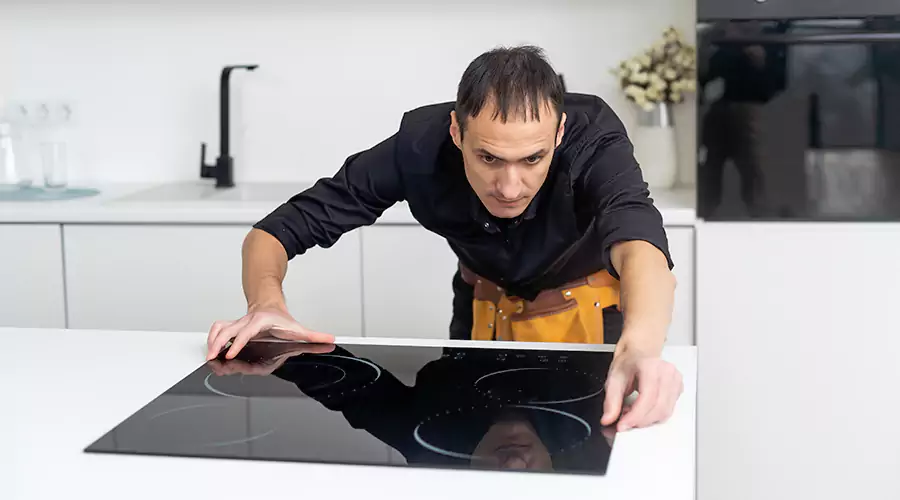
Learning how to clean electric stove top surfaces the right way helps remove food spills and grease buildup. It also keeps the appliance looking clean after daily cooking and may help prevent issues that can eventually require electric stove repair.
Burnt residue and water spots become harder to remove when they sit too long. Regular cleaning makes stains easier to lift without damaging the surface.
Some electric stoves use smooth glass tops while others use coil burners with drip pans. The right cleaning method depends on your stove type. Glass tops need gentle scraping and nonabrasive cleaner while coil burners need careful part removal and drip pan cleaning.
Why Electric Stove Cleaning Matters?
Regular electric stove cleaning helps prevent tough stains and burnt food buildup. A dirty stove can smell bad when heat turns old spills into smoke. Grease can also spread across the surface and make cooking messier.
Cleaning your stove after it cools can protect the finish. It also helps you spot damage early.
Quick Cleaning Guide
| Stove Type | Best Cleaning Method | Avoid |
|---|---|---|
| Glass top stove | Soft cloth and cooktop cleaner | Steel wool |
| Ceramic cooktop | Non abrasive cleaner | Harsh scraping |
| Coil burner stove | Remove coils and clean drip pans | Soaking electrical coils |
| Smooth top stove | Gentle scraper and cleaner | Rough pads |
| Burnt food stains | Cooktop cleaner and soft scraper | Sharp knives |
Clean Electric Cooktop Safely
You should clean electric cooktop surfaces only after the burners are fully cool. Turn all knobs off before cleaning. If your stove has a control lock, use it before wiping the surface.
Basic safety steps include:
- Let the stove cool completely.
- Remove loose crumbs first.
- Use soft cloths or non scratch pads.
- Avoid soaking electrical parts.
- Keep cleaner away from control panels.
- Dry the surface before cooking again.
These steps reduce the risk of damage and help protect the appliance.
Glass Stove Top Cleaning
Glass stove top cleaning requires gentle tools because the surface can scratch. Start by wiping away crumbs with a dry microfiber cloth. Then apply a small amount of glass cooktop cleaner. Let the cleaner sit for a short time if the stain is stubborn. Wipe in circular motions with a soft pad. For stuck food, use a cooktop scraper made for glass surfaces. Hold it at a low angle and work slowly.
Clean Burnt Electric Stove
To clean burnt electric stove stains, start with a cool surface and remove loose debris. Apply a stove top cleaner and let it soften the burnt area. Use a non scratch pad to loosen the residue.
If the burnt food stays stuck, use a glass safe scraper. Do not press too hard because deep scratches can be permanent. Repeat the process if needed. Tough stains often need more than one pass.
Electric Range Cleaning Tips
Simple electric range cleaning tips can help you avoid heavy scrubbing later. Wipe spills as soon as the surface cools. This keeps sauces and grease from hardening.
Use the right cleaner for your stove type. A smooth glass top needs different care than a coil burner stove.
Helpful tips include:
- Clean small spills before they burn again.
- Use flat cookware on smooth tops.
- Lift pans instead of dragging them.
- Clean drip pans when food spills over.
- Avoid abrasive powders on glass surfaces.
- Keep burner areas dry.
Stove Top Stain Removal
Stove top stain removal works best when you treat stains based on the material. Grease stains need a degreasing cleaner. Burnt food needs time to soften.
Hard water spots may need a cooktop polish. Food marks may need gentle scraping. Do not use sharp tools or rough pads. They can leave scratches that collect more dirt over time.
Clean Coil Stove Burners
To clean coil stove burners, make sure the stove is off and the coils are fully cool. Lift and remove the coil burners if your model allows it. Wipe them with a damp cloth.
Do not soak the coils in water. Electrical parts should stay dry. Remove the drip pans and wash them with warm soapy water. Replace them if they are rusty or badly stained.
Clean Ceramic Cooktop
You should clean ceramic cooktop surfaces with non abrasive products. Ceramic cooktops look sleek but can show stains quickly. Use a soft cloth and a cleaner designed for ceramic or glass surfaces.
For heavy residue, let the cleaner sit before wiping. This helps loosen food without harsh scrubbing. Dry the cooktop after cleaning to prevent streaks.
Electric Stove Maintenance
Good electric stove maintenance helps your appliance last longer. Check burners for uneven heating. Inspect coil burners for damage or poor connection. Keep the surface clean and dry. Moisture near electrical parts can cause problems.
Maintenance habits include:
- Wipe the stove after cooking.
- Clean under removable parts.
- Check drip pans for buildup.
- Replace damaged burner coils.
- Keep control knobs clean.
- Use proper cookware.
Remove Grease From Stove Top
To remove grease from stove top surfaces, use a mild degreaser or warm soapy water. Let the cleaner sit on greasy areas for a few minutes. Then wipe with a soft cloth.
Repeat if the grease feels sticky. Heavy grease may need a cooktop safe cleaner. Avoid using too much water near knobs or electrical openings.
Clean Smooth Top Stove
To clean smooth top stove surfaces, use gentle pressure and the right product. Smooth tops can scratch when cookware is dragged across the glass. They can also stain when spills burn onto the surface.
Use a cooktop cream cleaner for routine care. Buff the surface with a microfiber cloth after cleaning. This gives the stove a clean shine and helps remove light marks.
Kitchen Appliance Cleaning
Kitchen appliance cleaning should include the stove because it gets used often. A clean stove makes the kitchen feel fresher. It also helps prevent smoke and odor from old food spills.
Try to clean the stove during your regular kitchen routine. A few minutes after cooking can save time later.
Choosing a Stove Top Cleaner
A good stove top cleaner should match your appliance surface. Glass and ceramic tops need non abrasive formulas. Coil stoves can use warm soapy water for drip pans and surrounding areas.
Read the cleaner label before use. Some products are not safe for smooth top ranges.
Test a small area if you are unsure.
Electric Cooktop Care
Proper electric cooktop care can prevent scratches and stains. Use pans with clean bottoms. Grease or rough buildup on cookware can mark the surface.
Avoid sliding heavy pots across the glass. Do not place plastic items on a hot cooktop. Melted plastic can be difficult to remove.
Burnt Food on Stove Top
Burnt food on stove top surfaces should be removed carefully. Let the stove cool first. Then apply cleaner and allow the stain to soften.
Use a scraper only if it is safe for your stove type. Keep the blade low and move slowly. Never use a knife. It can scratch or damage the cooktop.
Clean Stove Without Scratching
To clean stove without scratching, choose soft tools and avoid harsh products. Microfiber cloths, non scratch pads, and approved scrapers are safer choices.
Avoid steel wool, rough brushes, and abrasive powders on glass or ceramic surfaces. Gentle cleaning protects the stove finish and keeps it looking newer.
Appliance Cleaning Tips
Useful appliance cleaning tips can make stove care easier. Keep a soft cloth near the kitchen for quick wipe downs. Clean spills after the stove cools.
Do not let grease sit for days. Old grease becomes harder to remove.
Simple habits include:
- Wipe after cooking.
- Use the correct cleaner.
- Clean around knobs.
- Remove crumbs before scrubbing.
- Dry the stove after cleaning.
- Deep clean once a week if you cook often.
Electric Stove Care
Good electric stove care is about cleaning and smart daily use. Use cookware that sits flat on the burner. This improves heat transfer and helps prevent spills.
Keep the stove surface clear when not cooking. Avoid storing items on burners. If a burner sparks, overheats, or stops working, stop using it and schedule repair.
Stove Top Deep Cleaning
A stove top deep cleaning should be done when regular wiping no longer removes buildup. For smooth tops, apply cooktop cleaner and polish the surface after wiping. For coil stoves, clean the drip pans and the area beneath them.
Deep cleaning checklist:
- Remove loose crumbs.
- Clean burners or surface zones.
- Wash drip pans if removable.
- Wipe around knobs.
- Remove grease from edges.
- Dry all parts before use.
Final Thoughts
Cleaning an electric stove top does not have to be difficult. The best method depends on whether you have a glass top, ceramic cooktop, smooth top, or coil burner stove.
Use gentle tools, clean spills after the stove cools, and avoid products that scratch. With regular care, your electric stove can stay cleaner, safer, and easier to use.